About Fujihachiya
You can enjoy our teas at home, and we also supply cafés and restaurants, including coffee stands.
Googleストリートビューで茶園を見るThe story behind our name: why “Fujihachi”
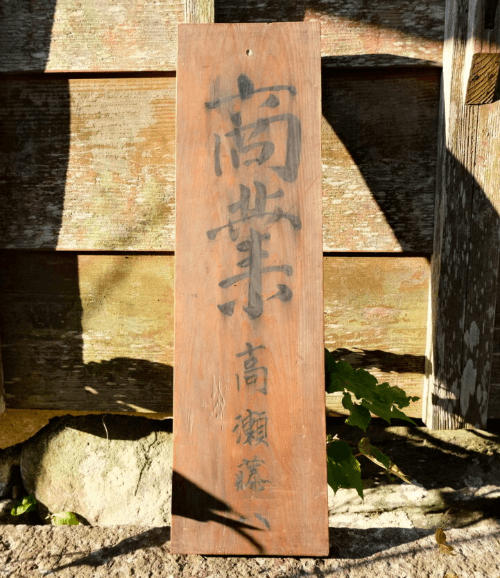
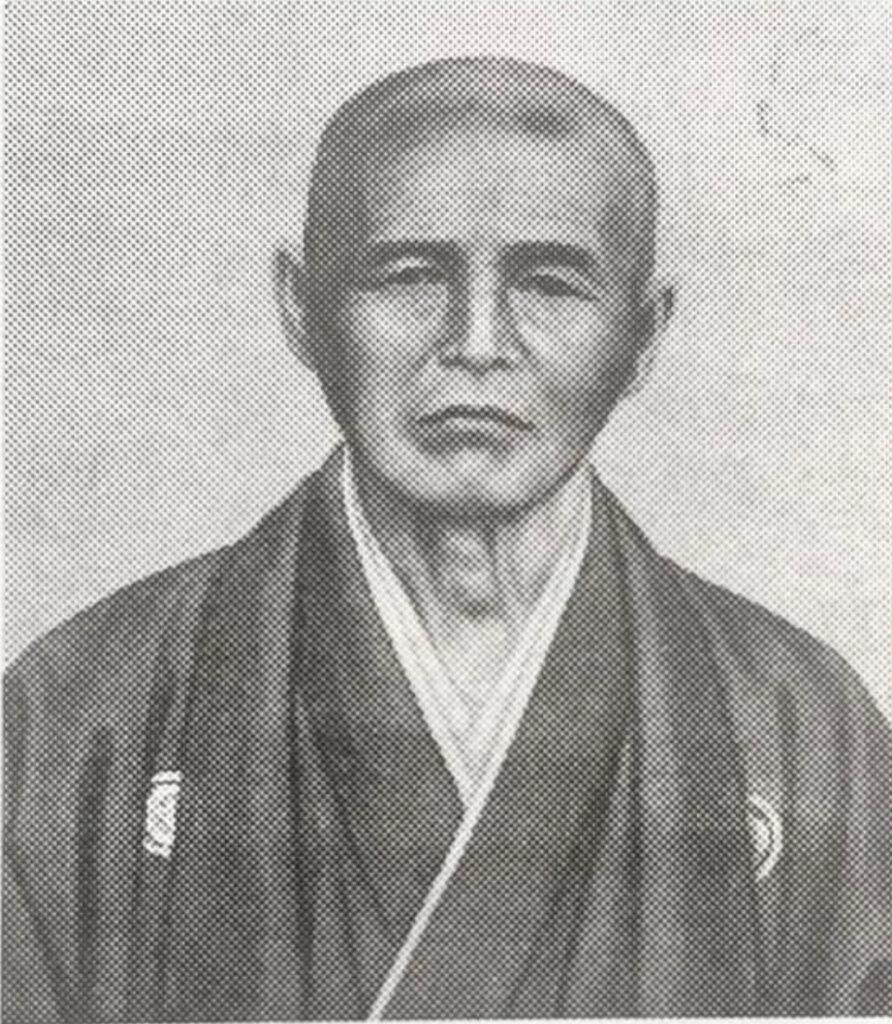
The name “Fujihachiya” was chosen to carry on the path of my ancestor, Takase Tohachi. A modern tea merchant who crossed the seas in the Meiji era.
In the Meiji period, Tohachi set out for the port of Kobe with Ise tea grown with care on the family estate in Matsusaka, Mie. Kobe was then a city buzzing with the spirit of opening to the world. Tohachi traded confidently with American firms such as Smith, Baker & Co., spent half the year in Kobe, and in his silk hat opened a huge export route to the American West. For his time, he was a strikingly forward-looking, passionate merchant.
Reviving Tohachi’s spirit in Reiwa
We want to bring back the vision Tohachi once had: Ise tea captivating the world. Not just selling tea, but reviving in a modern form his sensibility and his commitment to delivering quality across the seas. The name Fujihachiya reflects our resolve to connect the appeal of Ise tea to the world again, across more than a hundred years.
A little about me
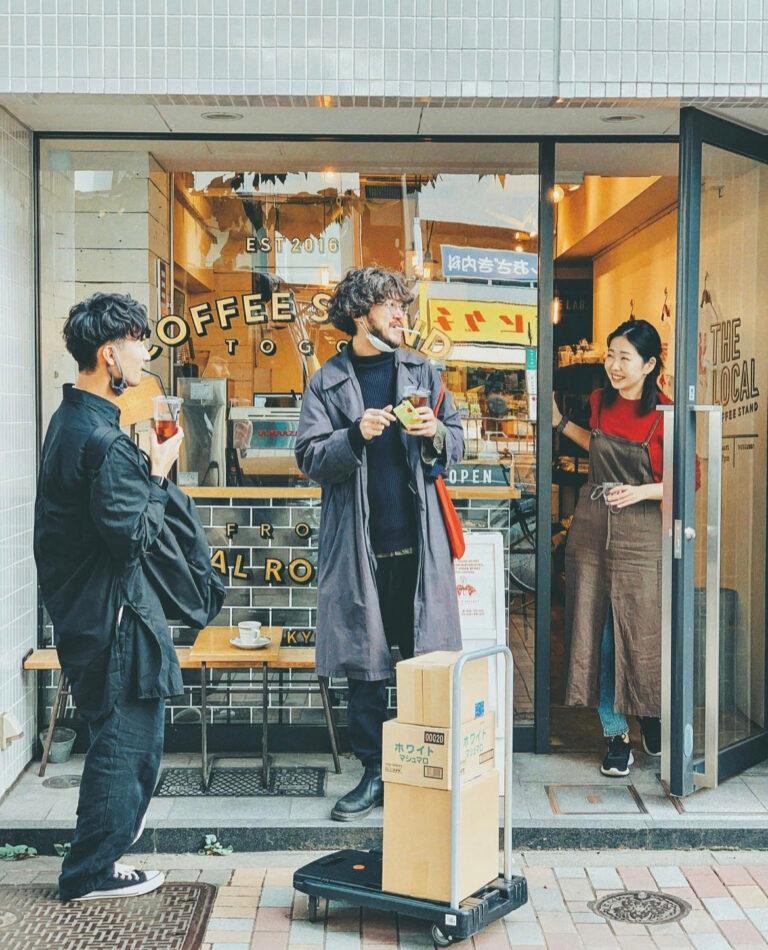
I worked at a coffee stand in Aoyama, Tokyo for six years. The pandemic made me pause and think about my future and how I wanted to work.
A casual remark from a friend reminded me of the tea I drank at my grandmother’s house as a child. “What if we could share this tea with everyone again today?” That thought was the start of everything.
I want to use what I learned from coffee and the work I love to bring back, in the Reiwa era, the stylish, pioneering spirit of Tohachi’s Meiji-era trade.
With the founder’s name “Fujihachi” as our own, from Meiji to Reiwa we’ve taken up the baton. From Mie to Tokyo and the world—we deliver Ise tea. We hope you’ll try a cup.
From Our Tea Fields in Kawamatatani to Your Cup
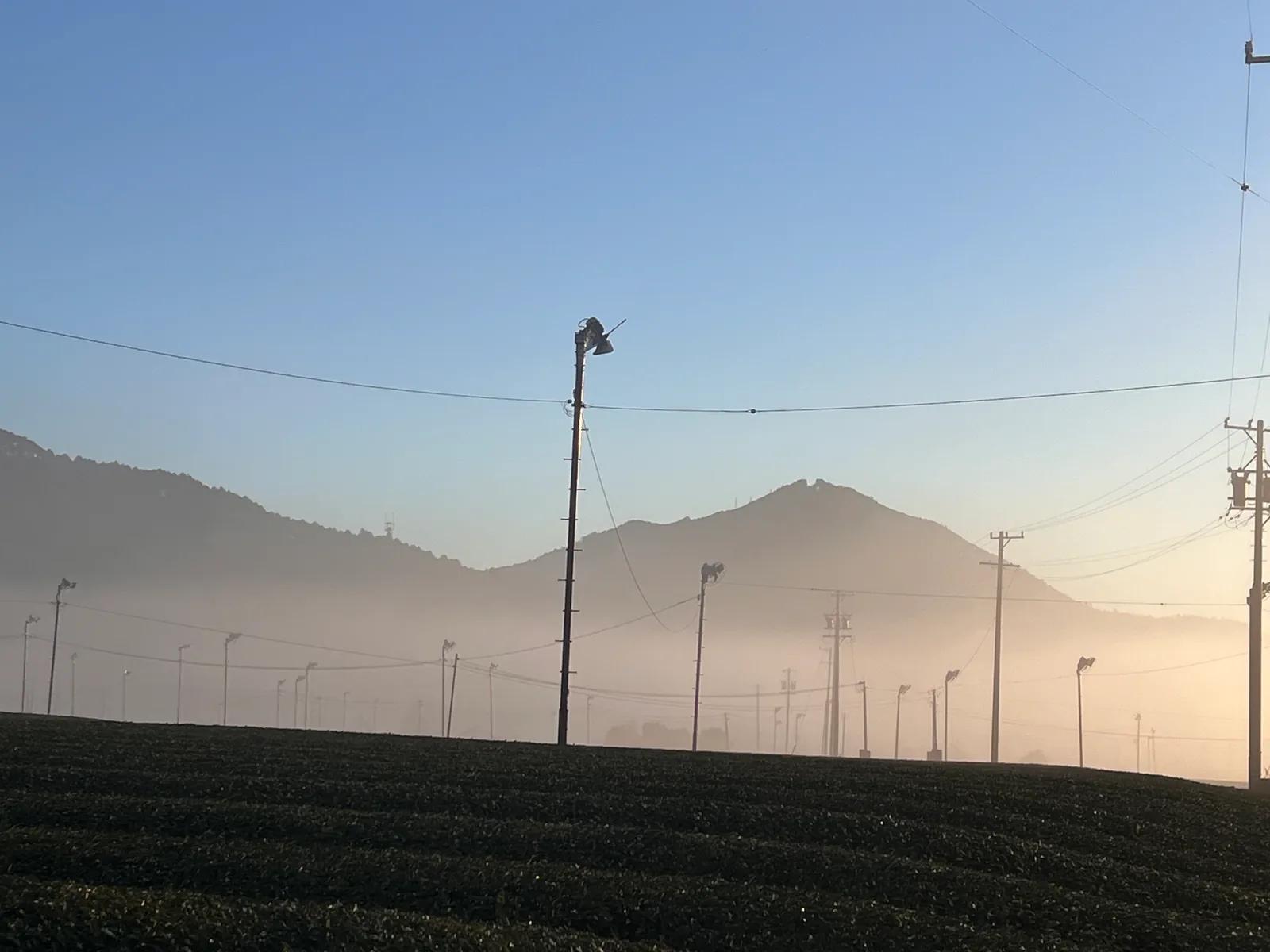
The Ise tea we sell at Fujihachi Saryo is grown in our family's own tea fields in Kawamatatani, Iinandcho, Matsusaka City, Mie Prefecture.
Kawamatatani is a historic tea-growing region considered the birthplace of Ise tea. Surrounded by mountains, the terrain naturally blocks afternoon sunlight, allowing the tea leaves to develop a deep umami similar to shaded-grown kabuse-cha. These unique local conditions produce a richness and aroma that cannot be replicated elsewhere.
After harvesting, the tea leaves are carefully processed by a local tea producer who knows Kawamatatani well. Because growing, processing, and selling are all connected in one chain, we can deliver the full character of the tea leaves directly to you.
The tea fields that Fujihachi Takase set out from in the Meiji era, and the tea we deliver today in the Reiwa era, share the same origin: the fields of Kawamatatani.
Products
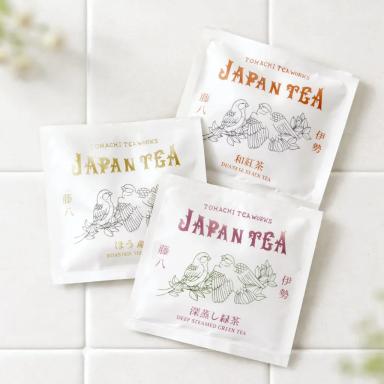 Ise-cha Comparison 3-Tea Bag Set¥756 (tax incl.)
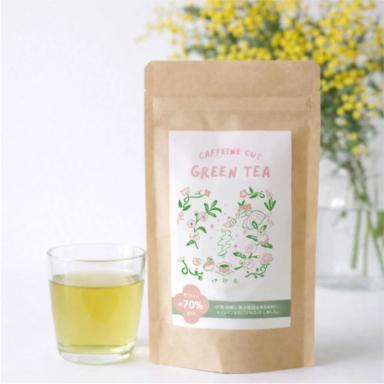 Isecha Decaffeinated (Decaffeinated) Green Tea 8 Teabags¥1,296 (tax incl.)
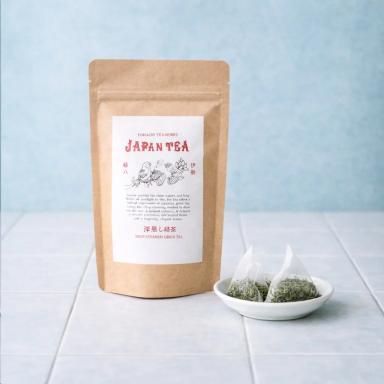 Ise-cha Deep Steamed Tea 10 Teabags¥1,188 (tax incl.)
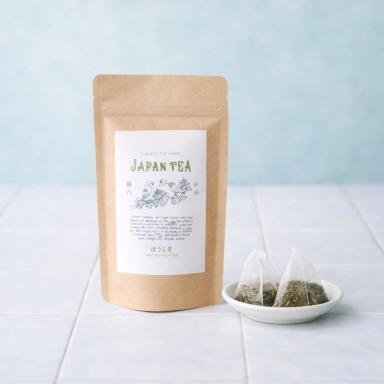 Isecha Houjicha 8 Teabags¥972 (tax incl.)
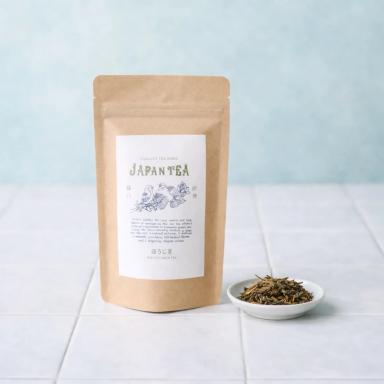 Ise-cha Houjicha Leaf (tea leaves) 30g¥972 (tax incl.)
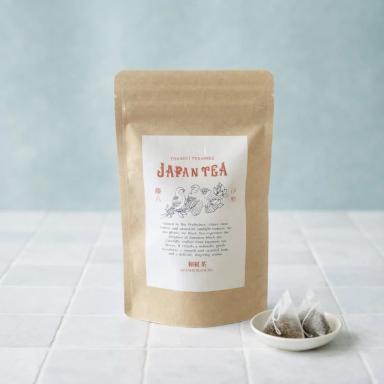 Isecha Japanese Black Tea 8 Teabags¥1,296 (tax incl.)
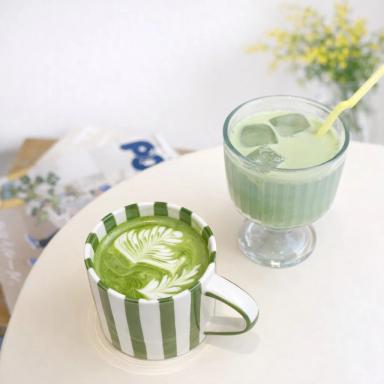 Ise-cha Deep steamed tea powder 100g (unsweetened)¥1,380 (tax incl.)
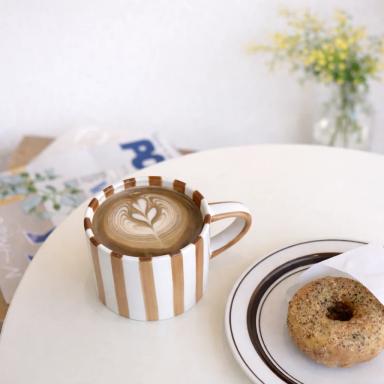 Isecha Houjicha Powder 80g (unsweetened)¥1,380 (tax incl.)
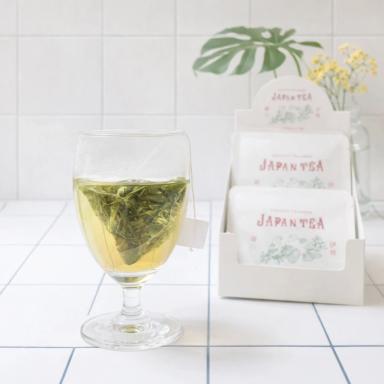 Ise-cha Deep steamed tea 3 Teabags¥756 (tax incl.)
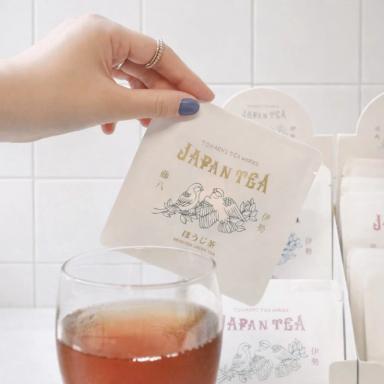 Isecha Houjicha 3 Teabags¥756 (tax incl.)
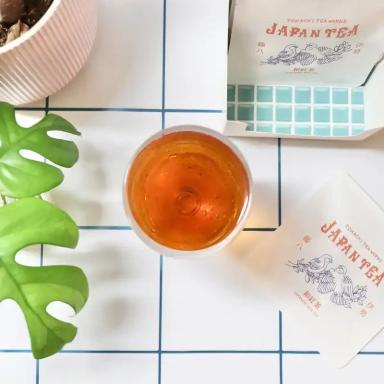 Isecha Japanese Black Tea 3 Teabags¥756 (tax incl.)
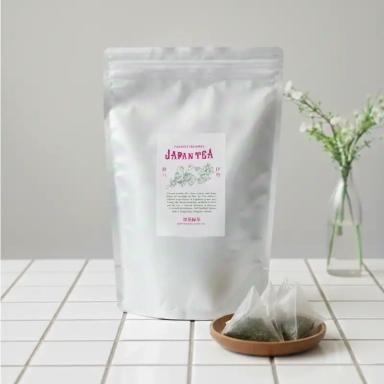 Value Ise-cha Deep steamed tea 50 Teabags¥5,940 (tax incl.)
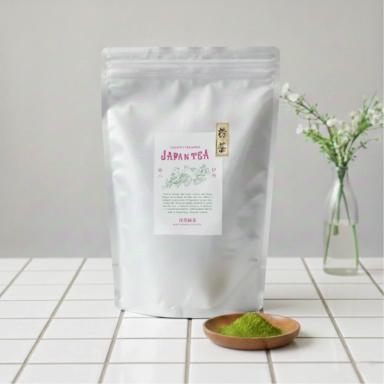 Value-priced Ise-cha deep steamed tea powder 500g (unsweetened)¥6,450 (tax incl.)
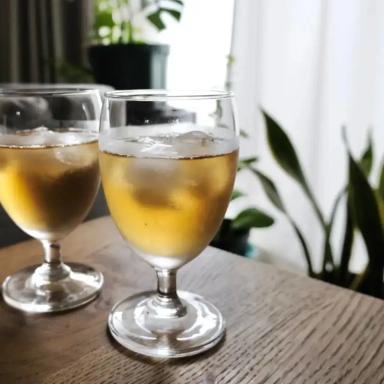 Value Ise-cha Houjicha 50 Teabags¥5,940 (tax incl.)